




Servicios Personalizados
Revista

Articulo
 texto en
 Inglés (pdf)
 Articulo en XML
 Referencias del artículo

 Traducción automática
 Enviar articulo por email
Indicadores
-
 Citado por SciELO
Links relacionados
-
 Similares en
SciELO
Compartir

 Permalink

Anales de la Facultad de Ciencias Médicas (Asunción)
versión impresa ISSN 1816-8949
An. Fac. Cienc. Méd. (Asunción) vol.59 no.1 Asunción 2026 Epub 21-Jul-2026
https://doi.org/10.18004/anales/2026.e59012620
ORIGINAL ARTICLE
Concordance between body mass index and subjective global assessment in the nutritional diagnosis of adult patients with cancer. Retrospective Study

1Instituto Nacional del Cáncer (INCAN), Departamento de Nutrición, Área: Nutrición Clínica Oncológica, Capiatá, Paraguay.
2Universidad Nacional de Asunción, Facultad de Ciencias Médicas, San Lorenzo, Paraguay.
Introduction:
Nutritional status directly influences treatment tolerance, immune response, postoperative recovery, quality of life, and survival.
Objective:
To evaluate the concordance between body mass index and subjective global assessment in the nutritional diagnosis of adult patients with cancer attending the Clinical Nutrition Service of the National Cancer Institute, from October 2024 to April 2025.
Materials and Methods:
Retrospective, observational, analytical, cross-sectional study with a quantitative approach, based on the analysis of an institutional database.
Results:
Women represented 67% (n=237) of the sample. The predominant age range was 40 to 59 years, accounting for 48.2% (n=170), with a mean age of 56.0±13.9 years. Most patients came from rural areas, representing 51% (n=179). Gastrointestinal tumors were the most frequent, accounting for 33% (n=116) of cases, followed by female genital cancer with 24% (n=86) and head and neck tumors with 13% (n=44). Regarding hemoglobin levels, 43.1% (n=50) of men had no anemia, while 34.4% (n=40) had mild anemia. Among women, 27.4% (n=65) had moderate anemia. Body mass index (BMI) up to 59 years of age showed normal weight in 36.7% (n=77), overweight in 21% (n=110), and underweight in 27.6% (n=58). Patients aged 60 years and older showed normal weight in 46.2% (n=66), followed by underweight in 31.5% (n=45). Subjective Global Assessment (SGA) showed 35% (n=110) of patients as well nourished, 34% (n=120) with moderate or suspected malnutrition, and 31% (n=108) with severe malnutrition. In men, an odds ratio (OR) of 1.91 was observed (95% CI: 0.86-4.22; p=0.11), suggesting a higher probability of malnutrition in the presence of anemia according to the evaluated methods; however, this association was not statistically significant. In women, the OR was 1.34 (95% CI: 0.76-2.35; p=0.31), showing a weaker association, also without statistical significance.
Conclusion:
Poor concordance was found between body mass index and subjective global assessment for nutritional status classification (Kappa = 0.09).
Keywords: Body mass index; Nutritional assessment; Cancer.
Introducción:
El estado nutricional influye directamente en la tolerancia al tratamiento, la respuesta inmunológica, la recuperación postoperatoria, la calidad de vida y la supervivencia.
Objetivo:
Evaluar la concordancia entre el índice de masa corporal y la valoración global subjetiva en el diagnóstico nutricional de pacientes adultos con cáncer del servicio de nutrición clínica del instituto Nacional del Cáncer, de octubre 2024 a abril 2025.
Materiales y Métodos:
Estudio observacional retrospectivo, analítico y transversal, con enfoque cuantitativo, basado en el análisis de una base de datos institucional.
Resultados:
La cantidad de mujeres fue superior en el 67% (n=237), el rango etario predominante fue de 40 a 59 años en el 48,2% (n=170), promedio de edad de 56,0±13,9 años. El 51% (n=179) de los pacientes provienen mayormente de zonas rurales. Los tumores gastrointestinales fueron los más frecuentes, representando el 33 % (n=116) de los casos, seguidos del cáncer genital femenino con el 24 % (n=86) y de los tumores de cabeza y cuello con el 13 % (n=44). Respecto a los niveles de hemoglobina, el 43,1 % (n=50) de los hombres se encontró sin anemia, mientras que el 34,4 % (n=40) presentó anemia leve. Por su parte, el 27,4 % (n=65) de las mujeres presentó anemia moderada. El índice de masa corporal (IMC) hasta los 59 años de edad, mostró el 36,7% (n=77) de normopeso, (21%; n=110) con sobrepeso y bajo peso (27,6%; n=58)). Los pacientes desde 60 años mostraron normopeso en el 46,2% (n=66), seguido de bajo peso con el 31,5% (n=45). La Valoración Global Subjetiva (VGS) mostró 35% (=110) de pacientes bien nutridos, desnutrición moderada o sospechada 34% (n=120) y desnutrición severa en el 31% (n=108). En los hombres se observó una razón de momios (OR) de 1,91 (IC95%: 0,86-4,22; p=0,11), lo que sugiere una mayor probabilidad de desnutrición en presencia de anemia según los métodos evaluados; sin embargo, esta asociación no fue estadísticamente significativa. En las mujeres, el OR fue de 1,34 (IC95%: 0,76-2,35; p=0,31), evidenciando una asociación de menor magnitud, también sin significación estadística.
Conclusión:
Se evidenció una concordancia pobre entre el índice de masa corporal y la valoración global subjetiva para la clasificación del estado nutricional (Kappa = 0,09).
Palabras claves: Índice de masa corporal; Evaluación nutricional; Cáncer.
INTRODUCTION
Cancer is one of the leading causes of morbidity and mortality in Paraguay and worldwide, with clinical, social, and economic implications that profoundly affect the quality of life of those affected. In this context, the nutritional status of oncology patients plays a decisive role in clinical outcomes, treatment response, functional recovery, and survival 1.
It is estimated that between 40% and 80% of oncology patients present some degree of malnutrition, which may compromise tolerance to chemotherapy, increase the risk of complications, and prolong hospital stay. Unintentional weight loss, chronic inflammation, and cancer cachexia are common conditions that should be addressed from the first nutritional consultation 1,2.
Traditionally, the Body Mass Index (BMI) has been used as an initial tool for classifying nutritional status in clinical practice 2. However, its application in patients with cancer has important limitations, as it does not distinguish between fat mass and muscle mass, nor does it consider functional, dietary, or inflammatory aspects. This may lead to diagnostic errors, particularly in overweight or obese patients who have experienced loss of lean body mass or sarcopenia 3.
The Subjective Global Assessment (SGA) has emerged as a validated clinical alternative that provides a more comprehensive evaluation of nutritional status by considering dietary history, gastrointestinal symptoms, functional capacity, physical examination findings, and weight changes. Its systematic application in oncology has demonstrated greater sensitivity in detecting malnutrition, even among patients with elevated BMI 4.
In Paraguay, the National Cancer Institute (INCAN) serves as a referral center for cancer care and maintains a clinical database that enables the exploration of the relationship between Body Mass Index (BMI), Subjective Global Assessment (SGA), and biochemical parameters such as hemoglobin in a representative cohort of adult patients.
The primary objective of the present study was to evaluate the concordance between Body Mass Index and Subjective Global Assessment in the nutritional diagnosis of adult patients with cancer treated at the Clinical Nutrition Service of the National Cancer Institute during the period from October 2024 to April 2025. The specific objectives were to describe the sociodemographic and clinical characteristics of the study population; characterize patients' nutritional status according to BMI and SGA; explore the association between the presence of anemia and the nutritional diagnosis established by BMI and SGA; and evaluate the diagnostic agreement between both assessment methods.
By doing so, this study aims to contribute to improved decision-making during the initial nutritional consultation and to promote the use of more sensitive and comprehensive assessment tools for identifying nutritional risk in oncology patients.
This study also aims to identify discrepancies between nutritional diagnosis based on BMI and that determined by SGA, as well as to analyze how these differences vary according to cancer type.
MATERIALS AND METHODS
The study employed an observational, quantitative, retrospective, cross-sectional design based on the analysis of an institutional database of adult patients treated at the Clinical Nutrition Service of the National Cancer Institute (INCAN) between October 2024 and April 2025.
The target population consisted of patients aged 18 years or older of both sexes with a confirmed diagnosis of cancer. The accessible population comprised patients aged 18 years or older of both sexes with a confirmed diagnosis of cancer who were registered in the Clinical Nutrition Service database of the National Cancer Institute and had undergone a complete nutritional assessment at their first consultation during the period from October 2024 to April 2025.
Regarding the selection criteria, the inclusion criteria were: patients aged ≥18 years with a confirmed oncological diagnosis; a complete nutritional assessment at the initial consultation (BMI, Subjective Global Assessment (SGA), and hemoglobin); and documented cancer type. Exclusion criteria included: patients younger than 18 years; missing key data (BMI, SGA, or hemoglobin); follow-up consultations without an initial nutritional assessment; and unconfirmed or suspected oncological diagnoses.
The sample consisted of 353 patients selected through non-probability purposive convenience sampling from the institutional database of 2,432 patients treated at the Clinical Nutrition Service between October 2024 and April 2025. All records meeting the inclusion criteria and containing complete information for the variables of interest were included. Although no a priori sample size calculation was performed because secondary data were used, sample size adequacy was subsequently verified. Considering a finite population of 2,432 patients, a 95% confidence level, a 5% margin of error, and an expected proportion of 50%, the minimum required sample size would have been approximately 332 patients. Therefore, the analyzed sample of 353 patients exceeded this value, providing an adequate number of observations for the descriptive and agreement analyses proposed in the study. Nevertheless, the use of convenience sampling limits the representativeness and generalizability of the findings.
Regarding ethical considerations, prior to data collection, a formal request was submitted to the Director of the National Cancer Institute (INCAN), as well as to the INCAN Department of Education and Research and the Research Ethics Committee (CEICAN). Once authorization and Ethics Committee approval had been obtained, access was granted to the database of patient records from the outpatient clinic.
The study variables included sociodemographic data (sex, age, and place of residence); clinical data (type of cancer and hemoglobin); anthropometric data (weight, height, and BMI); and Subjective Global Assessment (SGA).
Regarding the data collection instrument, the information contained in the patients' nutritional records was entered into an electronic spreadsheet created by the investigator using Microsoft Excel.
The demographic, anthropometric, nutritional assessment, and biochemical data corresponded to the information recorded in the individual assessment forms used and completed by the clinical nutrition professionals of the outpatient clinic for each patient. Using weight (kg) and height (m) measurements, Body Mass Index (BMI) was calculated using the formula: BMI = weight (kg) / height (m²). Body weight was measured with the patient wearing minimal clothing and no shoes, standing upright, looking straight ahead, remaining still, and with the arms hanging naturally at the sides 5. Height was measured with the individual standing barefoot, facing away from the measuring device, with body weight evenly distributed on both feet and with the heels and knees together 5.
Based on BMI, participants were classified into different nutritional status categories according to the World Health Organization (WHO) Body Mass Index (BMI) Classification. Subsequently, nutritional screening was performed using the nutritional screening and diagnostic tool known as the Subjective Global Assessment (SGA), with participants classified into its corresponding categories. This validated instrument for clinical nutritional assessment, recommended by the American Society for Parenteral and Enteral Nutrition (ASPEN), was applied upon patient admission.
For data processing and analysis, the collected data were entered, processed, and analyzed using Microsoft Office® Excel® 2010 (USA). After an exploratory analysis to assess data consistency, descriptive statistics were performed. Quantitative variables were presented as means and standard deviations, according to the assumption of normality when appropriate, whereas non-normally distributed data were presented as medians together with their corresponding minimum and maximum values. Qualitative variables were expressed as percentages (%) and frequencies (n). Associations were assessed using the odds ratio (OR) with 95% confidence intervals (95% CI) and a significance level of p < 0.05. Agreement was evaluated using the Kappa coefficient (Kappa index interpretation: 0.81-1.00, almost perfect agreement; 0.61-0.80, substantial agreement; 0.41-0.60, moderate agreement; 0.21-0.40, fair agreement; 0.01-0.20, slight or poor agreement; ≤0, no agreement or agreement worse than expected by chance).
Potential sources of bias included selection bias, resulting from the inclusion of patients treated at a single referral center; information bias, arising from possible errors or incomplete information in the medical records; and classification bias, related to the inherent differences between BMI and SGA in identifying nutritional status. In addition, clinical variables such as cancer type, disease stage, and the presence of edema or ascites may have acted as confounding factors in the interpretation of the results. Although the study compared nutritional diagnosis based on BMI and SGA, it did not systematically describe the baseline characteristics of the patients, limiting the interpretation of potential differences between the evaluated groups.
Ethical considerations.
The present study was conducted in accordance with the Department of Health and Human Services (DHHS) regulations, thereby ensuring that the research was ethically acceptable.
The three fundamental ethical principles were respected. The principle of respect for persons was upheld by guaranteeing the privacy and confidentiality of the secondary data obtained.
The principle of beneficence was ensured by providing the study free of charge with respect to the anthropometric measurements and the recorded biochemical data. At the conclusion of the evaluation, the results were provided to each participant through an individual report containing recommendations appropriate to the findings for each case.
Finally, the principle of justice was respected by treating every record equally, regardless of sex, economic status, religious beliefs, political ideology, or social position. The research protocol received approval from the Research Ethics Committee of the National Cancer Institute (CEICAN-INCAN).
RESULTS
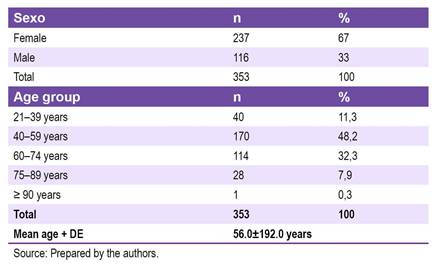
Table 1 presents the distribution of sex and age groups among the 353 oncology patients included in the study who were treated at the National Cancer Institute. Women represented the majority of the study population, accounting for 67% (n = 237), while men represented 33% (n = 116). The predominant age group was 40-59 years, comprising 48.2% (n = 170) of the sample, followed by the 60-74 years age group, which accounted for 32.3% (n = 114).
Patients younger than 18 years of age were excluded from the study because nutritional assessment in the pediatric population requires anthropometric criteria and assessment tools different from those used in adults, which would have limited the comparability of the results. Records with incomplete data for the main study variables (BMI, Subjective Global Assessment, or hemoglobin) were also excluded, as the absence of this information precluded nutritional classification and the analysis of agreement between the assessment methods. Follow-up visits or repeat consultations without an initial nutritional assessment were likewise excluded to avoid duplicate records and to ensure that each patient was included only once, using the information obtained during the first nutritional evaluation. Finally, patients with an unconfirmed or suspected oncological diagnosis were excluded because the presence of cancer was an essential inclusion criterion for the target population and for the interpretation of the results within the context of oncological nutritional care.
Figure 1 presents the distribution of patients according to their geographical origin, distinguishing between rural and urban areas. A relatively balanced distribution was observed, with a slight predominance of patients from rural areas (179 cases, 51%) compared with those from urban areas (174 cases, 49%).
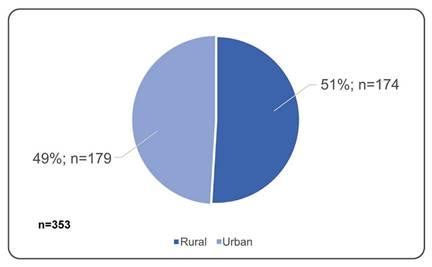
Table 2 presents the distribution of patients according to clinical diagnosis, grouped by organ system or tumor location. The most represented group consisted of gastrointestinal tumors, with 116 cases (33%), followed by female genital cancers with 86 cases (24%), and head and neck tumors with 44 cases (13%). Together, these three groups accounted for 70% of the study population, reflecting the high prevalence of neoplasms with a direct impact on nutrient intake, absorption, and metabolism.
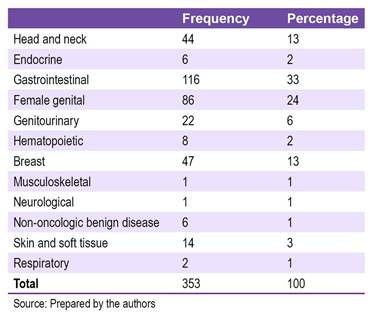
Table 3 presents the distribution of hemoglobin levels according to sex. The results showed that 43.1% (n = 50) of the men had no anemia, followed by those with mild anemia (34.4%; n = 40). In contrast, 51% (n = 121) of the women had no anemia, followed by those with moderate anemia (27.4%; n = 65).
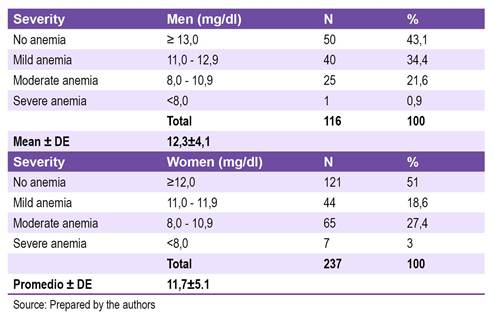
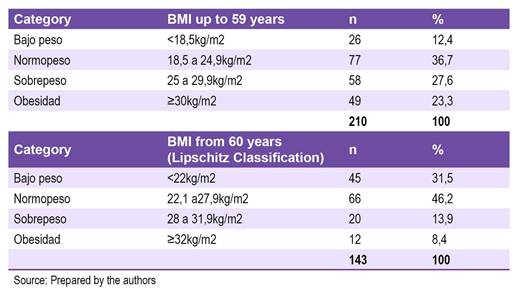
Table 4 presents the distribution of Body Mass Index (BMI). Among patients up to 59 years of age, the most represented category was 18.5-24.9 kg/m², classified as normal weight, with 77 patients (36.7%). On the other hand, patients aged 60 years and older showed normal weight in 46.2% (n = 66), followed by underweight in 31.5% (n = 45).
The classification of nutritional status according to the Subjective Global Assessment (SGA) is presented in Figure 2. The results showed a relatively balanced distribution across the three categories: Category A (well nourished): 125 patients (35%); Category B (moderate or suspected malnutrition): 120 patients (34%); and Category C (severe malnutrition): 108 patients (31%).
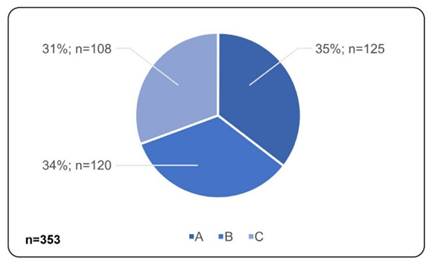
Table 5 shows the association between nutritional status determined by Body Mass Index (BMI) and Subjective Global Assessment (SGA) according to the presence or absence of anemia, considering BMI classification based on the patients' age group.
Among men, an odds ratio (OR) of 1.91 (95% CI: 0.86-4.22; p = 0.11) was observed, suggesting a higher probability of malnutrition in the presence of anemia according to the assessment methods used; however, this association was not statistically significant. Among women, the OR was 1.34 (95% CI: 0.76-2.35; p = 0.31), indicating a weaker association, which was also not statistically significant. Therefore, although the magnitude of the association was greater in men than in women, the results do not support a statistically significant association between nutritional status assessed by BMI and SGA and the presence of anemia.
Table 5 Association between nutritional status diagnosis according to BMI and SGA and the presence or absence of anemia.
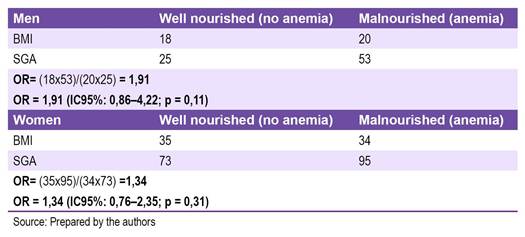
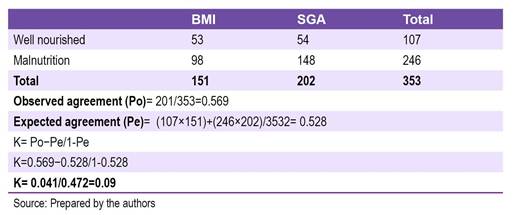
Table 6 shows poor agreement between Body Mass Index (BMI) and Subjective Global Assessment (SGA) for the classification of nutritional status (Kappa = 0.09). This result indicates low consistency between the two methods, suggesting relevant discrepancies in the identification of the nutritional status of the oncology patients evaluated.
DISCUSSION
The greater representation of women observed in the study sample is consistent with national epidemiological data showing a high burden of cancer among women, particularly related to breast and cervical malignancies. Likewise, the concentration of cases in middle-aged and older adults is consistent with the expected pattern of oncological diseases, whose incidence progressively increases with age due to the accumulation of risk factors and biological changes associated with aging 4.
Furthermore, the distribution of patients according to geographical origin suggests adequate recruitment of individuals from different territorial settings. This finding is particularly relevant considering that, although a substantial proportion of cancer cases are concentrated in Asunción and the Central Department, the National Cancer Institute serves as the country's national referral center, thereby facilitating the referral of patients from different regions of Paraguay 5,6. In this regard, the presence of patients from rural areas may reflect both the nationwide coverage of the institution and the need for patients to travel to specialized centers for cancer diagnosis and treatment.
These findings highlight the importance of considering the demographic and geographical characteristics of the population receiving care, as factors such as age, sex, and place of residence may influence access to healthcare services, nutritional status, and the clinical outcomes of patients with cancer.
The composition of the study sample was dominated by neoplasms that, because of their anatomical location and biological behavior, are closely associated with deterioration of nutritional status. Tumors involving the gastrointestinal tract, as well as those located in the head and neck region, directly affect nutrient intake, digestion, and absorption, in addition to causing metabolic alterations that promote weight loss and muscle wasting. Likewise, certain types of gynecological cancers may also be associated with significant nutritional impairment, particularly in advanced stages or during oncological treatment 7,8. This diagnostic distribution may explain the high frequency of nutritional alterations observed in the study population and reinforces the need to implement early nutritional assessment and continuous follow-up strategies. Furthermore, these findings are consistent with evidence reported in Latin American countries, where patients treated at public referral hospitals exhibit a high burden of malnutrition, particularly those with gastrointestinal tumors and advanced disease 9,10. Early identification of nutritional risk is therefore of particular importance, since nutritional deterioration is associated with increased morbidity and mortality, reduced tolerance to oncological treatments, a higher incidence of clinical complications, and poorer quality of life. Consequently, comprehensive nutritional assessment should be considered an essential component of the multidisciplinary management of patients with cancer 7,11.
The prevalence of anemia observed in the study population is consistent with findings reported in the literature, where anemia is described as one of the most common complications among patients with cancer. Its occurrence may be associated with multiple mechanisms, including chronic inflammation, blood loss, bone marrow infiltration, adverse effects of treatment, and nutritional deficiencies. In this context, the coexistence of anemia and impaired nutritional status is of particular clinical relevance, as both conditions are associated with reduced functional capacity, an increased risk of complications, and poorer response to oncological treatment 12-15.
Regarding nutritional status assessed by BMI, the findings showed a substantial proportion of patients classified as having normal weight. However, this result should be interpreted with caution, as numerous studies have demonstrated that a BMI within the normal range does not exclude the presence of malnutrition, particularly among patients with cancer. Loss of muscle mass, sarcopenia, and disease-related metabolic changes may develop even when body weight remains relatively stable, resulting in a false perception of adequate nutritional status when anthropometric indicators alone are used 16. Globally, it is estimated that between 20% and 80% of patients with cancer experience some degree of malnutrition during the course of their disease. This variability depends on tumor type, clinical stage, treatment received, and socioeconomic context 17,18.
On the other hand, the distribution observed using the Subjective Global Assessment demonstrated that a considerable proportion of patients presented some degree of nutritional impairment. This finding is consistent with international studies reporting a high prevalence of nutritional risk and malnutrition among oncology patients, particularly those with gastrointestinal tumors, head and neck cancers, or advanced disease. The differences observed between the nutritional classification based on BMI and that obtained through SGA reinforce the need to incorporate more comprehensive nutritional assessment tools into clinical practice. Although BMI is a useful indicator for an initial assessment, its use alone may lead to an underestimation of nutritional impairment. Although this approach is practical in high-demand clinical settings, it underestimates hidden nutritional risk, particularly in patients with sarcopenia, chronic inflammation, and functional decline that may coexist without changes in body weight 12. Weight loss may be rapid and significant in oncology patients, and BMI tends to underestimate malnutrition. The Subjective Global Assessment and the GLIM criteria are more sensitive for detecting nutritional deterioration 18,19,20.
Anemia and malnutrition are two conditions that are frequently interrelated in patients with cancer, as they share multiple pathophysiological mechanisms, including systemic inflammation, reduced food intake, tumor-induced metabolic alterations, and the adverse effects of antineoplastic treatments 21. Therefore, it was expected to observe a trend toward a higher frequency of nutritional impairment among patients with anemia. Although the magnitude of the association observed was greater in men than in women, the results did not reach statistical significance. This finding may be explained, in part, by the size of the analyzed subgroups and by the broad clinical variability characteristic of the oncology population, in which factors such as cancer type, disease stage, the presence of inflammation, comorbidities, and treatments received may simultaneously influence both hemoglobin levels and nutritional status. Likewise, the absence of a statistically significant association does not necessarily imply that both conditions are clinically independent. Anemia in patients with cancer has a multifactorial origin and does not always reflect isolated nutritional deterioration, as it may be related to blood loss, bone marrow infiltration, anemia of chronic disease, or treatment-related toxicity 17,21. Similarly, malnutrition may occur even in the absence of evident hematological abnormalities, particularly when changes in body composition, such as loss of muscle mass or sarcopenia, predominate. From a clinical perspective, these findings reinforce the need for a comprehensive assessment that includes both hematological indicators and specific nutritional assessment tools. The detection of anemia should be interpreted as an indicator of potential clinical and nutritional vulnerability rather than as a substitute for a complete nutritional evaluation. Consequently, the early identification of both conditions remains essential for optimizing multidisciplinary management and improving outcomes in patients with cancer. Diagnostic agreement between the two assessment tools, considering that BMI was classified according to age group, was poor according to the Kappa coefficient. This diagnostic discrepancy may result in inappropriate or delayed therapeutic decisions, whereby patients fail to receive timely nutritional support, compromising treatment tolerance, increasing the risk of complications, and negatively affecting quality of life. In this regard, the Subjective Global Assessment should not be considered merely a complementary tool, but rather the minimum standard for nutritional assessment in oncology.
In light of this situation, it is necessary to conduct a strategic analysis that allows understanding not only the findings but also the institutional conditions surrounding them. First, the availability of sensitive assessment tools such as the Subjective Global Assessment, which provides a contextualized evaluation of nutritional status, represents a major strength. Furthermore, the institutional recognition of the impact of nutrition on oncological treatment constitutes a valuable starting point for change. The availability of clinical, anthropometric, and biochemical data in the present study also represents a methodological strength, allowing the generation of robust evidence.
CONCLUSION
The results highlight the need to strengthen nutritional assessment processes in oncology care through the implementation of standardized institutional protocols, continuous training of healthcare professionals, and the improvement of clinical record systems to facilitate the longitudinal follow-up of patients.
Nutritional assessment in oncology remains insufficiently integrated into routine clinical care despite its well-recognized influence on disease progression and quality of life. The findings of the present study support the systematic incorporation of tools such as the Subjective Global Assessment (SGA) from the first nutritional consultation, complemented by the interpretation of relevant clinical and biochemical parameters, including hemoglobin, in order to facilitate the early identification of nutritional risk and guide timely interventions.
Nevertheless, the results should be interpreted in light of certain limitations. The study was based on secondary clinical records and a non-probability sample obtained from a single national referral center, which may limit the representativeness of the study population and restrict the generalizability of the findings to other healthcare settings. Furthermore, data availability depended on the quality and completeness of existing records, which may have influenced the inclusion of some patients and the assessment of certain clinical variables.
Despite these limitations, this study provides relevant evidence regarding the usefulness of different nutritional assessment tools in patients with cancer treated at a national referral center. Given the characteristics of the study sample, the findings are primarily applicable to populations with similar clinical and healthcare profiles. Therefore, future multicenter studies using prospective designs would broaden the external validity of these findings and provide a better understanding of the factors associated with nutritional deterioration in oncology.
Finally, nutrition should be recognized as an essential component of cancer treatment. Beyond nutritional support, it constitutes a therapeutic intervention that contributes to the patient's overall well-being, optimizes clinical outcomes, and promotes patient-centered care. Therefore, the early identification and management of malnutrition represent a fundamental responsibility within comprehensive oncology care.
REFERENCES
1. Arends J, Bachmann P, Baracos V, Barthelemy N, Bertz H, Bozzetti F, et al. ESPEN guidelines on nutrition in cancer patients. Clin Nutr. 2017;36(1):11-48. doi: 10.1016/j.clnu.2016.07.015. [ Links ]
2. Cederholm T, Jensen GL, Correia MITD, Gonzalez MC, Fukushima R, Higashiguchi T, et al. GLIM criteria for the diagnosis of malnutrition: a consensus report from the global clinical nutrition community. Clin Nutr. 2019;38(1):1-9. doi: 10.1016/j.clnu.2018.08.002. [ Links ]
3. Arends J, Baracos V, Bertz H, Bozzetti F, Calder PC, Deutz NEP, et al. ESPEN expert group recommendations for action against cancer-related malnutrition. Clin Nutr. 2017;36(5):1187-96. doi: 10.1016/j.clnu.2017.06.017. [ Links ]
4. Liu S, Qiao L, Liu Y, Liu H, Li Y, Sun J et al. Efficacy and safety evaluation of mixed nutrition for postoperative esophageal cancer patients in China: a meta-analysis. Front Oncol. 2024;14:1417765. doi: https://doi.org/10.3389/fonc.2024.1417765 [ Links ]
5. Instituto Nacional de Alimentación y Nutrición (INAN). Manual Básico de Evaluación Nutricional Antropométrica. 6° edición. Asunción, Paraguay: INAN 2024. https://www.inan.gov.py/site/?page_id=235 [ Links ]
6. DGVS: Dirección General de Vigilancia Sanitaria. Cáncer.Asunción, Paraguay: DGVS.2024. https://dgvs.mspbs.gov.py/cerca-de-2-900-diagnosticos-de-cancer-se-registraron-en-asuncion-y-central/ [ Links ]
7. da Silva Passos LB, De-Souza DA. Some considerations about the GLIM criteria - A consensus report for the diagnosis of malnutrition. Clin Nutr. 2019;38(3):1482. doi: https://doi.org/10.1016/j.clnu.2019.02.032 [ Links ]
8. Gonzalez MC, Correia MITD, Heymsfield SB. A requiem for BMI in the clinical setting. Curr Opin Clin Nutr Metab Care. 2017;20(5):314-21. doi: 10.1097/MCO.0000000000000395. [ Links ]
9. Echepare ML, Roldán MB, Vilas SY, Villarreal EN. Valoración del estado nutricional en pacientes oncológicos adultos que concurren al Hospital de Día de Oncología del HIGA “Profesor Dr. Luis Güemes”. Actual Nutr. 2024;25(2):103-10. doi: 10.48061/SAN.2024.25.2.72. [ Links ]
10. Ministerio de Salud Pública y Bienestar Social. Guía nacional de atención integral al paciente oncológico. Asunción: MSPBS; 2023. https://incan.mspbs.gov.py/ [ Links ]
11. Cederholm T, Jensen GL. To Create a Consensus on Malnutrition Diagnostic Criteria. JPEN J Parenter Enteral Nutr. 2017;41(3):311-314. doi: https://doi.org/10.1177/0148607116686293 [ Links ]
12. Chen C, Li C. Preoperative prognostic nutritional index as a predictive factor for postoperative pneumonia in esophageal cancer patients undergoing esophagectomy. Front Nutr. 2025;12:1674518. doi: https://doi.org/10.3389/fnut.2025.1674518 [ Links ]
13. Instituto Nacional del Cáncer. Informe anual de atención ambulatoria 2024. Paraguay: INCAN. 2025. [ Links ]
14. Wang T, Wu H, Bao Y, Lu B, Li L. Construction of a risk prediction model for postoperative pneumonia based on the prognostic nutritional index and analysis of related factors in patients with intracerebral hemorrhage. Front Nutr . 2025;12:1639230. doi: https://doi.org/10.3389/fnut.2025.1639230 [ Links ]
15. Ma W, Liu W, Dong Y, Zhang J, Hao L, Xia T et al. Predicting the prognosis of patients with renal cell carcinoma based on the systemic immune inflammation index and prognostic nutritional index. Sci Rep. 2024;14(1):25045. doi: https://doi.org/10.1038/s41598-024-76519-2 [ Links ]
16. Ren T, Kerr A, Oyesanmi O, Muddassir S. Impact of Malnutrition on the Length of Stay for Hospitalized Chimeric Antigen Receptor T-cell (CAR-T) Therapy Patients in the United States (2020). Cureus. 2024;16(10):e72400. doi: https://doi.org/10.7759/cureus.72400 [ Links ]
17. Cruz-Jentoft AJ, Bahat G, Bauer J, Boirie Y, Bruyère O, Cederholm T, et al. Sarcopenia: revised European consensus on definition and diagnosis. Age Ageing. 2019;48(1):16-31. https://doi.org/10.1093/ageing/afy169 [ Links ]
18. Chen W, Yuan Q, Li X, Yao J, Yuan L, Chen X et al. The role of sarcopenic obesity for the prediction of prognosis of patients with gastrointestinal cancer. Cancer Med. 2024;13(13):e7452. doi: https://doi.org/10.1002/cam4.7452 [ Links ]
19. Valenzuela-Landaeta K, Rojas P, Basfi-fer K. Evaluación nutricional del paciente con cáncer. Nutr Hosp. 2012;27(2):516-23. doi: 10.3305/nh.2012.27.2.5525. [ Links ]
20. Pigneur F, Di Palma M, Raynard B, Guibal A, Cohen F, Daidj N et al. Psoas muscle index is not representative of skeletal muscle index for evaluating cancer sarcopenia. J Cachexia Sarcopenia Muscle. 2023;14(4):1613-1620. doi: https://doi.org/10.1002/jcsm.13230 [ Links ]
21. Fielding RA, Landi F, Smoyer KE, Tarasenko L, Groarke J. Association of anorexia/appetite loss with malnutrition and mortality in older populations: A systematic literature review. J Cachexia Sarcopenia Muscle . 2023;14(2):706-729. doi: https://doi.org/10.1002/jcsm.13186 [ Links ]
Editor responsible: Prof. Dr. Hassel Jimmy Jiménez, https://orcid.org/0000-0003-4078-5853; Dra. Lourdes Talavera, https://orcid.org/0000-0001-9671-3037.
Received: May 26, 2026; Accepted: July 01, 2026
 Este es un artículo publicado en acceso abierto bajo una licencia Creative Commons
